Ealing Council rules for street flower displays in Northolt
Posted on 02/10/2026
Ealing Council rules for street flower displays in Northolt: a practical guide for businesses, traders, and community organisers
If you are planning street flower displays in Northolt, the first thing to get straight is how Ealing Council rules for street flower displays in Northolt may affect where, how, and whether you can place them. That can mean anything from a planter outside a shop to a seasonal floral display near a pavement edge. And yes, the details matter. A beautiful arrangement can lift a street in seconds, but the wrong placement can cause complaints, clutter, or a simple no from the council.
This guide breaks the topic down in plain English. You will learn why the rules matter, how the process usually works, what to watch out for, and how to plan a display that looks good and stays sensible on a busy Northolt street. We will keep it practical, because let's face it, nobody wants to create a lovely display only to be told to move it three days later.
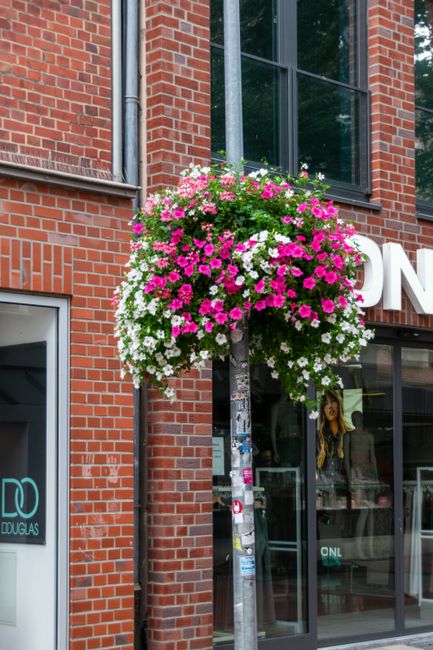
Table of Contents
- Why Ealing Council rules for street flower displays in Northolt Matters
- How Ealing Council rules for street flower displays in Northolt Works
- Key Benefits and Practical Advantages
- Who This Is For and When It Makes Sense
- Step-by-Step Guidance
- Expert Tips for Better Results
- Common Mistakes to Avoid
- Tools, Resources and Recommendations
- Law, Compliance, Standards, or Best Practice
- Options, Methods, or Comparison Table
- Case Study or Real-World Example
- Practical Checklist
- Conclusion
- Frequently Asked Questions
Why Ealing Council rules for street flower displays in Northolt Matters
Street flower displays are one of those small things that can change a place fast. A neat planter, window-side display, or floral frontage can soften hard lines, make a parade of shops feel cared for, and give people a reason to slow down. In Northolt, that matters even more because many streets mix pedestrian movement, parked cars, deliveries, bus stops, and the day-to-day flow of local life. There is not much spare space. So anything placed on or near the public highway has to earn its keep.
The council's rules matter because a street display is not just decoration. It can affect visibility, accessibility, cleaning, maintenance, and public safety. That is the part people sometimes miss. A display that looks charming at 9am can become a nuisance by 5pm if it narrows a footway, blocks a dropped kerb, or tips over in wind and rain. On a damp London afternoon, a fallen planter is not a quaint detail. It is a trip hazard.
For shop owners and community groups, the rules also matter because they shape what is possible. You may be allowed to use certain areas, but not others. You may need permission or need to follow conditions about size, positioning, and upkeep. And if you are unsure, it is much better to check early than to assume the council will be relaxed about it. Sometimes they are, sometimes they are not. Truth be told, that depends on the exact location and risk involved.
Expert summary: The safest approach is to treat a street flower display as a public-space feature, not a private decoration. If it touches a pavement, highway, or access route, plan it carefully, keep it tidy, and check local expectations before installation.
How Ealing Council rules for street flower displays in Northolt Works
In practice, the council will usually look at a few core questions. Where is the display going? Does it sit on private land or public pavement? Will people still be able to pass comfortably? Could it distract drivers, obscure signs, or interfere with bins, cycles, pushchairs, or mobility aids? Those are the real-world checks that tend to shape the answer.
If your flowers are entirely within private boundary land, the situation is often simpler. A shopfront planter inside your own frontage, for example, is usually your responsibility and less likely to need formal consent. But once the display reaches the public footway, verge, road edge, or any shared access area, things change. The council may treat it as an item occupying public space, and that can bring permission, licensing, or highways considerations into play.
There is also a difference between a one-off seasonal display and a permanent arrangement. A small spring display for a weekend event is usually easier to assess than a year-round row of heavy planters. Temporary arrangements often have fewer long-term impacts, but even then, they still need to be safe and considerate. A display that is fine for a Saturday flower trail may not suit a weekday commuter route.
Another practical point: the council will often care about maintenance more than appearance alone. If a display spills soil, attracts litter, causes slippery debris, or is left to sag and die after the first week, it creates a problem. Well-kept flowers are welcomed far more readily than neglected ones. That sounds obvious, but you would be surprised how many good intentions become slightly scruffy by week two.
Key Benefits and Practical Advantages
When a street flower display is planned well, the benefits are not just visual. Done properly, it can support local trade, improve the feel of the street, and make a neighbourhood seem more looked after. People notice that. They may not say it out loud, but they notice it.
- Better kerb appeal: Floral displays make a frontage feel welcoming and can help a business stand out without shouting for attention.
- Positive local identity: In Northolt, a well-placed arrangement can signal care, pride, and community spirit.
- Seasonal flexibility: You can update displays through the year with spring bulbs, summer colour, or winter greenery.
- Community goodwill: Neighbours and passers-by often respond well to tidy, thoughtful planting.
- Practical structure: A good layout can guide foot traffic or frame an entrance without feeling overbearing.
There is a business case too. A display can help a florist, cafe, or shop make a street feel more memorable, which is useful in a busy local parade where every frontage competes quietly for attention. If you are a florist or independent retailer and want the flowers to hold their shape and freshness, care and delivery timing matter. That is where a service like flower care guidance can be handy for keeping displays looking sharp after installation, especially when the weather turns.
And then there is trust. When a display is neat, safe, and clearly maintained, it tells the public that the organiser is responsible. That sort of signal may sound small, but it counts. People relax when they can see a space is being looked after.
Who This Is For and When It Makes Sense
This topic is relevant to several groups in Northolt, and they do not all want the same thing. A florist may want a polished frontage display. A shop owner may want a planter that softens the pavement edge. A community group may want flower tubs for a seasonal event. Even a landlord or property manager may be looking at what is reasonable outside a mixed-use building.
You are probably in the right place if you are:
- running a shop, cafe, salon, or takeaway near a pavement frontage
- planning floral decorations for a local event, market day, or street celebration
- managing a business entrance and wanting to add visual appeal
- representing a residents' group, school, faith group, or charity
- working with a florist to create an external display that must stay tidy and safe
It makes sense to look at the rules when your display will be seen or passed by the public, especially if the arrangement sits near the highway, a shop entrance, or a shared access point. If the display is more decorative and temporary, you may still need to think about positioning and responsibility, but the process is usually simpler. If it is a larger, more permanent feature, then checking permissions early is the right move.
To be fair, if your only plan is a couple of pots tucked securely into a private forecourt, you may not need much more than common sense. But once the display starts interacting with the public realm, the council's expectations become part of the picture.
Step-by-Step Guidance
If you want to set up street flower displays in Northolt without creating hassle for yourself later, follow a calm, practical process. It is not glamorous. It just works.
1. Define the exact location
Start by identifying whether the display will sit on private land, at the boundary, or on the public footway. This is the first and most important distinction. A sketch on paper can help, especially if the frontage is awkward or narrow. Measure the space properly. Guessing is how trouble starts.
2. Decide what type of display you want
Is it a planter, hanging basket, freestanding trough, floral arch, seasonal tub, or a mixed display? Different formats create different risks. Heavy planters are harder to move and can block access. Light baskets may be less intrusive but need secure fixing. If the design involves flowers and gifts in a shop-led setup, browsing arrangements like all flowers can help you narrow down what style suits the space.
3. Check for access and clearance issues
Before anything is installed, look at pedestrian width, door swing, visibility at corners, access for wheelchairs and pushchairs, and whether bin crews or service vehicles need the same area. A good rule of thumb is that if it feels tight to you, it will feel tight to everyone else. Not ideal.
4. Plan for stability and maintenance
Choose sturdy containers, proper drainage, and a watering routine. In windy or wet weather, even a nice arrangement can become messy quickly. Plan who will water it, deadhead it, sweep around it, and remove damaged stems. For longer-running displays, simple upkeep is everything.
5. Check whether permission is needed
If the display touches the public highway or affects public movement, ask the relevant local authority or highways contact what is required. Do not assume silence means approval. It usually does not. If you are a business owner, it can also help to think through your wider ordering and delivery setup alongside the display, so your floral stock arrives fresh and on time. A page like delivery information may be useful if you are coordinating regular floral replenishment.
6. Install carefully and monitor after launch
Place the display at a time when you can observe it for the first few hours. Watch how people move around it. Do prams squeeze past? Do cyclists clip it? Does it sit level after a gust of wind? The first day tells you a lot. Honestly, more than the planning meeting sometimes does.
7. Review and adjust
If the display is working, keep it. If it is causing friction, shrink it or reposition it. Good street displays are rarely "set and forget". They evolve a bit. That is normal.
Expert Tips for Better Results
Over the years, one thing becomes clear: the best street flower displays are not the biggest ones. They are the ones that feel intentional. A well-edited display almost always beats a crowded one. That goes for Northolt as much as anywhere else.
- Keep the edge clean: A neat base or planter line looks far better than loose compost spilling into the pavement.
- Use repeating colour themes: Repetition creates order. Mixed colours can work, but there should be a clear pattern.
- Choose resilient flowers: Select blooms that can handle wind, shade, and occasional handling.
- Think in sightlines: Make sure the display frames the street rather than blocking it.
- Match the season: Spring and summer colours feel natural outdoors; winter displays often need structure as well as softness.
- Use containers with weight: Light containers may shift. Heavy ones are safer, especially near traffic.
It also helps to think about how people encounter the display during a normal day. In the morning, it may be seen by commuters. Around lunch, it may be viewed more slowly. At dusk, when the light drops and traffic hums on, the same flowers can look softer and more atmospheric. That is one reason the same design can feel very different depending on placement.
If you are planning flowers for a special occasion, you may also want to consider coordination with a florist who understands Northolt timings and the realities of local streets. A local florist in Northolt can be useful when you need fresh stock, local awareness, and a sensible approach to fitting displays into real-world spaces.
Common Mistakes to Avoid
Most problems with street flower displays are not dramatic. They are small, avoidable things that build up into complaints. The good news is that these are easy enough to sidestep once you know what to watch for.
- Assuming private frontage means no rules: If the display reaches the public path, the council may still care.
- Blocking access without noticing: A display can feel fine to its owner and still frustrate pedestrians.
- Using flimsy containers: Cheap pots can crack, tip, or shift.
- Letting watering become a guess: "We'll do it when we remember" is not a maintenance plan.
- Ignoring weather: Wind, rain, and frost can all change how a display behaves.
- Overcrowding the frontage: More flowers are not always better. Sometimes they are just... more.
- Forgetting cleanup: Fallen petals, soil, and broken stems can make the area look neglected fast.
One common issue is scale. A display that looks charming in a photograph may feel awkward when a neighbour's child, a mobility scooter, and a delivery trolley all need to pass the same spot. That is the kind of real-life test that matters. If it works at peak foot traffic, it will probably work most of the time.
Tools, Resources and Recommendations
You do not need a lot of fancy gear to manage a compliant and attractive street display. A few practical tools make a big difference, though.
- Measuring tape: Essential for checking pavement width and display footprint.
- Simple site sketch: Useful for planning, especially if you need to explain the layout to a council officer or landlord.
- Stable containers: Choose sturdy planters that will not slide around easily.
- Watering can or hose access: Watering is basic, but it is the difference between fresh and tired-looking flowers.
- Pruning snips: Handy for removing spent stems and keeping the display neat.
- Weather-resistant liners: These help with drainage and keep the container cleaner.
- Waste bag or sweep kit: A tidy perimeter is part of the display, whether people admit it or not.
If you are buying flowers regularly, it is worth choosing a supplier that can match the display to the occasion and the season. A good local shop can help you choose arrangements that suit a shopfront, memorial space, wedding frontage, or community event. For more seasonal inspiration, options such as summer flowers can suit brighter displays, while best sellers can be a safe bet when you need a proven style that works well in many settings.
For maintenance planning, you may also want to think about freshness and replacement stock. If the display is expected to stay in place for more than a few days, build in a refresh schedule from the start. That is the boring bit, but it saves a lot of hassle later.
Law, Compliance, Standards, or Best Practice
Because street flower displays can affect public space, it is sensible to treat them as a compliance issue as well as a design choice. The exact legal route can vary depending on the location, whether the display is on private land or public highway, and whether it affects access, safety, or visibility. In some cases, the display may fall under local highways considerations or require permission from the council. In others, a simpler conversation is enough.
The key principle is straightforward: do not place anything where it creates a hazard or obstructs the public right of way. Keep access routes clear. Make sure the display is stable. Avoid sharp edges, loose objects, or anything that might fall into the pedestrian flow. If the display is near a road edge, think about driver sightlines too. A cheerful arrangement should not become a visual distraction at a junction.
Best practice usually includes:
- keeping clear walking space for pedestrians and mobility aids
- using safe, stable, weather-appropriate containers
- maintaining the display so it never becomes scruffy or obstructive
- checking whether permissions or guidance are needed before installation
- removing the display promptly if it becomes unsafe or damaged
It is also wise to keep a record of what you installed, when, and who is responsible for maintenance. That sounds a bit formal for flowers, but it helps if someone later asks questions. A simple note in a diary or phone app is often enough.
Options, Methods, or Comparison Table
If you are deciding between different street display styles, it helps to compare them against practical realities rather than just looks. Here is a simple comparison that reflects what usually matters on a Northolt street.
| Display type | Best for | Main advantage | Main risk |
|---|---|---|---|
| Window-side planters | Shopfronts with private frontage | Usually easier to manage and less intrusive | Can still become cluttered if oversized |
| Freestanding pavement tubs | Public-facing displays with space | Highly visible and attractive | May need permission and clear access planning |
| Hanging baskets | Compact frontages | Frees up ground space | Needs secure fixing and regular watering |
| Seasonal temporary arrangements | Events and celebrations | Flexible and lower commitment | Can still create trip or obstruction issues |
| Large fixed planters | Long-term frontage enhancement | Strong visual presence and structure | Harder to move, maintain, or reconfigure |
In simple terms, if you want ease and fewer headaches, keep the display compact and mostly within private boundary space. If you want a more public, eye-catching impact, be prepared to spend more time on permissions, maintenance, and careful positioning. There is no perfect choice. Just a better fit for your site.
Case Study or Real-World Example
Picture a small independent shop in Northolt with a narrow frontage and a steady flow of pedestrians. The owner wants to brighten the entrance with flowers in spring. At first, the idea is a row of four large tubs on the pavement. It looks lovely in the imagination. On the ground, though, the pavement is not generous, and a buggy would have to detour awkwardly.
So the owner scales it back. Two smaller but heavier planters are placed just inside the frontage line, with a couple of trailing displays near the window instead of out on the footway. A florist helps choose sturdy blooms and colours that lift the facade without overwhelming it. The arrangement is checked after installation and adjusted when one container sits too close to the doorway. Nothing dramatic. Just sensible.
The result? The street still feels warmer, the shop keeps its charm, and nobody has to edge around a giant planter with a shopping bag in one hand and a coffee in the other. That is the real win. A good display should work with the street, not wrestle it.
Practical Checklist
Before you install anything, run through this checklist. It will save time, and possibly a headache.
- Have I confirmed whether the display is on private land or public space?
- Do I know if permission or local approval may be needed?
- Have I measured the available width properly?
- Can pedestrians, pushchairs, and mobility aids pass comfortably?
- Is the display stable enough for wind, rain, and daily use?
- Do I have a watering and maintenance plan?
- Will the flowers stay neat and safe throughout the display period?
- Have I thought about cleaning around the base and removing debris?
- Does the layout keep sightlines open for roads and entrances?
- Do I know who is responsible if something needs adjusting quickly?
If you can tick all ten boxes, you are usually in good shape. If a few are uncertain, pause and fix those first. It is much easier to move a planter before it becomes part of the scenery. And yes, the scenery can be lovely. Just not in the wrong spot.
Conclusion
Ealing Council rules for street flower displays in Northolt are really about balance: beauty, access, safety, and common sense. A good display can make a frontage feel alive and cared for. A poor one can create clutter, stress, and unnecessary back-and-forth. The trick is to plan with the street in mind, not just the flowers.
If you keep the display tidy, proportionate, and easy to pass, you are already most of the way there. Add a bit of local awareness, check whether permission is needed, and make maintenance part of the plan from day one. That is how you get something that looks good and stays practical.
Get a free quote today and see how much you can save.
When a display feels thoughtful and calm, people sense it straight away. Small things, really. But in a place like Northolt, small things can brighten the whole street.
Frequently Asked Questions
Do I need permission for street flower displays in Northolt?
It depends on where the display sits. If it is entirely on private land, you may not need formal permission. If it extends onto the pavement, highway, or another public area, you may need council or highways approval. The safest approach is to check before installing anything.
Can I put flower planters outside my shop?
Yes, sometimes you can, but the key issue is whether they affect the public footway or access. A planter that stays within your frontage and leaves plenty of space is usually simpler. A planter placed on the pavement edge may need permission or may be refused if it narrows the route too much.
What counts as a street flower display?
It can include planters, tubs, baskets, floral stands, temporary seasonal arrangements, or decorative planting outside a premises. The label matters less than the impact. If it is visible to the public and affects shared space, it should be treated carefully.
How wide should the pavement be for a display?
There is no single universal number here, and it would be risky to guess one. The practical test is whether pedestrians, pushchairs, wheelchairs, and mobility scooters can pass comfortably without squeezing round the display. If in doubt, keep it smaller.
Are hanging baskets easier than floor planters?
Usually, yes. Hanging baskets keep the ground clear, which can make access easier. But they still need secure fixing and regular watering. In wet or windy weather, they also need checking. They are not a "fit and forget" option.
What are the biggest safety risks?
The main risks are obstruction, tipping, poor visibility, and slippery debris. A display can also become a problem if it blocks entrances, corners, or access for bins and deliveries. Stability and maintenance matter just as much as appearance.
Can I use flowers for a temporary event display?
Yes, temporary displays are often more flexible, especially for community events or seasonal celebrations. Even so, they still need to be positioned safely and kept clear of access routes. Temporary does not mean exempt from common sense.
Who is responsible for maintaining the display?
Whoever installs or commissions the display should normally take responsibility for upkeep unless another arrangement is clearly agreed. That includes watering, removing damaged flowers, and keeping the area tidy. It is best to assign one named person or team.
What happens if my display causes a complaint?
The council or another authority may ask you to move, reduce, or remove it. Sometimes the issue is quick to fix. Sometimes it means revising the whole layout. If you have planned properly, these conversations are usually much easier.
How do I make a display look good without overdoing it?
Keep the design simple, use a clear colour theme, and avoid crowding the space. Two or three strong elements usually look better than a dozen small ones. A restrained display often feels more elegant and less messy, especially on a busy street.
Can a florist help me plan a compliant display?
Yes, a local florist can help with the practical side as well as the visual side. They can suggest sturdy flowers, seasonal choices, and arrangements that suit narrow frontages or public-facing spots. That can save time and reduce mistakes.
What if I am not sure whether the area is public or private?
If the boundary is unclear, do not guess. Check the title, lease, or site plan, or ask the property owner or managing agent. A quick clarification now is much better than a dispute later. That tiny bit of admin can save a lot of faffing about.